

This guide evaluates Handbag Manufacturing Partner as a B2B sourcing decision. Buyers should compare legal identity, production scope, relevant product experience, sample quality, traceability, compliance evidence, communication, commercial terms, and control of subcontracting. Use consistent RFQ inputs and an approval checklist so supplier responses remain comparable. Directory listings, rankings, fast replies, and marketing claims can support discovery, but they do not replace current document checks, approved samples, reference verification, an appropriate audit, and a contract that defines quality and delivery responsibilities.
Have a brilliant handbag design but feel lost in the manufacturing maze? A wrong choice can sink your brand before it even starts. Let's find your perfect production partner.
Finding the perfect handbag manufacturer1 involves defining your needs, understanding production models like OEM/ODM2, and vetting partners on key criteria. Look for experience, low MOQs3 for flexibility, and quality certifications4 to ensure your vision becomes a reality without compromising on quality or budget.

I remember when I was starting out. The dream of seeing my designs in a store was huge, but the path to get there was foggy. It’s about more than just finding someone to sew bags; it's about finding a true partner. So, where do we begin? Let's start by understanding what a manufacturer actually does for your brand.
Understanding Your Production Partner: What a Manufacturer Really Does?
For related buyer guidance, review Top 10 Custom Handbag Manufacturers 2026: Ultimate OEM Partner Guide alongside the specifications, evidence, and decision criteria in this section.
Think a manufacturer just follows orders and sews fabric? This mindset can cost you time and innovation. A great partner does much more than just assemble your product.
A true manufacturing partner is an extension of your team. They offer services beyond simple production, including material sourcing5, design refinement6 (R&D), quality control7 at every stage, and logistics management. They help turn your initial concept into a market-ready product, solving problems along the way.

A manufacturer is not just a vendor; they are your product expert. I once brought a design to a factory that was beautiful on paper but impractical to produce at a reasonable cost. A good partner didn't just say "no." Instead, their R&D team worked with me to find a solution. They are the bridge between your creative vision and a physical, sellable item. This involves several key stages.
From Idea to Item
First is the development stage. This is where a manufacturer's expertise really shines. You provide a sketch or a tech pack, and their team helps refine it. They might suggest different materials to improve durability or lower costs. They will then create a sample, or a prototype, for your approval. This sample is critical. It’s your first chance to see and feel the final product.
The Production Process
Once you approve the sample, mass production begins. This isn't just one step. It includes sourcing and inspecting raw materials, cutting the patterns, sewing, and final assembly. A reliable partner has a strict quality control7 (QC) team. They check the product at multiple points in the process, not just at the end. This ensures every bag meets your standard. Finally, they handle packing and prepare the goods for shipping.
White Label vs. Private Label: Which Production Model Is Right for Your Brand?
Starting a brand and confused by terms like "white label8" and "private label9"? Choosing the wrong model can limit your brand's potential or create unnecessary work and expense.
White label means you choose a pre-designed, unbranded product from a manufacturer and simply add your logo. Private label (or OEM/ODM2) means the manufacturer produces a unique design exclusively for your brand, giving you full creative control from sketch to final product.
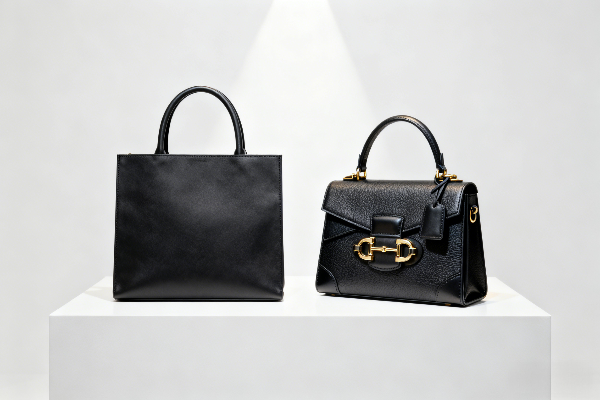
Choosing between these models depends entirely on your brand's goals, budget, and timeline. I've worked with entrepreneurs who found great success starting with a white label8 to test the market quickly. Others knew from day one that they needed a completely unique product to stand out. There is no single right answer, only the right answer for you. Let's break down the differences to help you decide.
Understanding the Models
A simple way to think about it is that white label8 is fast and easy, while private label9 offers uniqueness and brand identity.
| Feature | White Label | Private Label (OEM/ODM2) |
|---|---|---|
| Design | Manufacturer's existing design | Your unique, exclusive design |
| Speed | Very fast to market | Longer, involves R&D and sampling |
| Cost | Lower setup cost, no design fees | Higher initial investment |
| Uniqueness | Low, other brands can sell the same bag | High, product is exclusively yours |
| Best For | New brands testing the market | Brands focused on unique identity |
Ultimately, private label9 manufacturing (often called OEM/ODM2) is where most ambitious brands land. It allows you to build a true brand asset. Your designs are protected, and you can create a product that perfectly aligns with your vision. It requires a closer partnership with your manufacturer, but the result is a product that is 100% yours.
Your Vetting Checklist: Key Questions to Ask a Potential Manufacturer?
You've found a few potential manufacturers, but how do you know if they're reliable? Choosing based on a low price alone is a recipe for disaster and disappointment later.
To properly vet a manufacturer, you must ask about their Minimum Order Quantity10 (MOQ), quality certifications4 (like ISO9001 or SEDEX), lead times11 for sampling and production, and their experience with brands similar to yours. Their answers reveal their reliability, flexibility, and quality standards.

Before I sign with any new partner, I have a standard list of questions. This isn't about being difficult; it's about setting clear expectations from the start. A good manufacturer will welcome these questions because they are also vetting you as a serious, long-term client. Think of it as a two-way interview. Getting clear answers to these questions will save you from major headaches down the road.
Key Areas to Investigate
Your questions should cover the essentials of production, quality, and partnership. Here are the non-negotiables you need to ask.
-
What is your Minimum Order Quantity10 (MOQ)? This is the smallest order they will accept. A low MOQ (like 50-100 pieces) is great for new brands. It lets you test new styles without risking a huge amount of money on inventory.
-
What are your lead times11? You need two numbers: the time for sampling and the time for mass production after sample approval. A good partner should be able to create a sample in 7-20 days.
-
What quality certifications4 do you hold? Look for internationally recognized standards like ISO9001 (quality management), SEDEX, or SMETA (ethical sourcing). These prove they have passed rigorous third-party audits.
-
Can you describe your quality control7 (QC) process? Ask them how they ensure quality. Do they inspect raw materials? Do they have checkpoints during production? Do they perform a final inspection?
-
Who are some of your past or current clients? While they might not name every brand due to confidentiality, knowing they have worked with reputable international names is a huge sign of trust and experience.
Conclusion
For a related production-service reference, review custom handbag manufacturing; confirm the current scope, quotation, sample plan, quality requirements, and contractual terms for the specific project.
Finding the right manufacturer is the most critical step after designing your product. Focus on partnership, clear communication, and verified quality to turn your handbag sketch into a successful reality.
Explore this link to understand the essential qualities and criteria for selecting the right handbag manufacturer. ↩
This resource will clarify the distinctions between OEM and ODM, helping you choose the best production model for your brand. ↩
Learn why low Minimum Order Quantities are crucial for startups and how they can help you test the market effectively. ↩
Discover the key quality certifications that ensure manufacturers meet high standards and how they can impact your brand. ↩
Understand the importance of material sourcing and how it affects the quality and cost of your products. ↩
Explore how design refinement can enhance your product's market readiness and overall quality. ↩
This link provides insights into the quality control processes in manufacturing, ensuring your products meet expectations. ↩
Discover the concept of white label manufacturing and how it can be a quick entry point for new brands. ↩
Learn about private label manufacturing and how it can provide unique branding opportunities for your products. ↩
This link explains the concept of MOQ and its significance in the manufacturing process. ↩
Understand the importance of lead times in manufacturing and how they affect your product launch. ↩
