

This guide examines 2026 Bag Portfolio for Sourcing Managers Wholesale as a collection-planning decision for brands and sourcing teams. Compare target use, capacity, carry method, dimensions, material, construction, price position, and range overlap before approving a style. A commercially useful assortment balances recognizable core products with a limited number of test styles, then validates demand through current customer data, approved samples, and a documented buying plan.
As a sourcing manager1, you're constantly juggling trends, costs, and supplier reliability. One wrong move can lead to unsold inventory and missed market opportunities, directly impacting your bottom line.
To build a winning portfolio for 2026, focus on a strategic mix of commercially proven styles2 and partner with a certified manufacturer3 that offers manufacturing excellence4 through low MOQ5, rapid sampling6, and a transparent quality control system7.
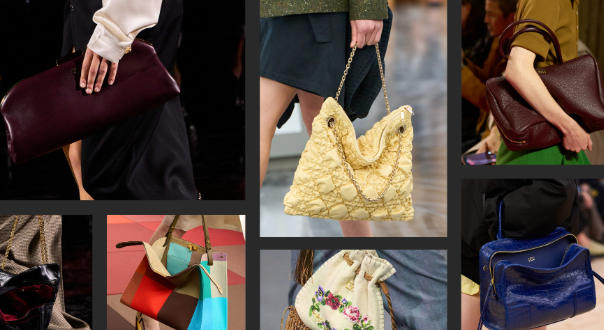
I've been in the bag manufacturing business for over 18 years, and I've seen countless brands navigate these challenges. The most successful ones don't just chase every trend. They build a solid foundation with styles that sell, and they partner with a manufacturer who acts as an extension of their team. It’s this combination of smart product selection and a reliable production backbone that separates the leaders from the rest. Let's break down how you can implement this strategy.
Which Core Bag Styles Should Dominate a Commercial Portfolio in 2026?
For related buyer guidance, review What’s the Key Difference Between Bags, Handbags, and Purses alongside the specifications, evidence, and decision criteria in this section.
The fashion cycle8 moves incredibly fast, and it feels risky to invest heavily in any single trend. Betting on the wrong horse can mean warehouses full of products that nobody wants.
For 2026, your portfolio should be dominated by versatile "hero" styles: the structured tote, the hands-free crossbody, and the minimalist backpack. These evergreens offer consistent sales and are easily updated with new materials or hardware.
From my perspective on the factory floor, these are the styles we produce most consistently for major global brands. They aren't just fads; they are solutions to the daily needs of modern consumers. A customer might buy a flashy, seasonal bag once, but they will buy, use, and replace their work tote or weekend crossbody over and over again. Building your portfolio around these proven sellers is the safest and most profitable strategy.
Your Portfolio Blueprint: The Hero, The Staple, The Trend
A balanced portfolio isn't about having a hundred different styles. It's about having the right styles that serve different functions and customer needs. As an OEM/ODM partner, we help brands refine this mix to maximize their market impact while minimizing risk.
| Style Category | Key Styles for 2026 | Why It Sells | Manufacturing Note |
|---|---|---|---|
| The Workhorse | The Structured Tote, The Commuter Backpack | Function-driven; holds a laptop, organized, durable. It's a daily necessity. | Requires precise construction and durable materials like quality leather or high-density nylon. |
| The Everyday Staple | The Hands-Free Crossbody, The Convertible Belt Bag | Convenience-driven; perfect for errands, travel, and events. High consumer demand. | Focus on quality hardware (zippers, clasps) as they receive constant use. |
| The Fashion Accent | The Refined Bucket Bag, The Crescent Hobo | Style-driven; offers a unique silhouette that makes a statement. | Allows for more creative material choices like soft suedes, PU, or textured fabrics. |
By focusing 70-80% of your budget on the Workhorse and Everyday Staple categories, you create a stable commercial base. The remaining 20-30% can be used to experiment with Fashion Accent pieces. This is where a low MOQ5 (Minimum Order Quantity) of 50 pieces becomes a powerful tool, allowing you to test new shapes without a huge financial commitment.
How Can You Truly Verify a Manufacturer's Quality and Compliance Claims?
Every factory website says they have "the best quality." But as a sourcing manager1, you know that a single bad production run can damage your brand's reputation and lead to costly returns.
Verify quality by demanding proof of third-party international certifications like ISO90019 (for quality management) and SEDEX/SMETA10 (for ethical standards). Also, request a detailed breakdown of their internal Quality Control (QC) process, from material inspection to final product audit.

I take immense pride in the certifications we've earned. They aren't just logos on our website; they are proof that our processes have been rigorously audited and approved by global authorities. When a client like Calvin Klein or Disney works with us, they aren't just taking our word for it. They are relying on these certified systems to guarantee that every single bag meets their standards. Any manufacturer who cannot readily provide these documents or explain their QC process in detail should be a major red flag.
A Sourcing Manager's QC Checklist
When you're evaluating a potential manufacturing partner, don't be afraid to dig deep into their quality systems. A truly professional factory will welcome your questions. As a baseline, they should be able to provide clear answers and documentation for the following:
-
International Certifications:
- ISO 9001: This is the global standard for a Quality Management System (QMS). It proves the factory has documented processes for everything from design to delivery to ensure consistency and continuous improvement.
- SEDEX/SMETA10: These are ethical trade audits. They ensure the factory complies with labor laws, health and safety standards, and environmental regulations. This is crucial for protecting your brand's reputation and meeting the demands of conscious consumers.
- GRS (Global Recycled Standard11): If you are interested in using sustainable materials, this certification is essential. It verifies the recycled content of materials and ensures responsible social and environmental processing.
-
Internal QC Process:
- Incoming Quality Control (IQC)12: Do they inspect raw materials before production starts? Ask to see their criteria for checking leather, fabric, and hardware.
- In-Process Quality Control (IPQC)13: Do they have inspectors on the production lines checking for errors at each stage of assembly?
- Final Quality Control (FQC)14: What is their process for auditing the finished goods before they are packed and shipped? What is their AQL (Acceptable Quality Limit)?
A reliable partner will not only have these systems but will be eager to show you how they work.
Beyond Quality, What Makes a Manufacturing Partnership Truly Successful?
You've found a manufacturer with great quality, but communication is slow, sampling takes months, and they refuse to produce less than 1,000 units. A difficult partner can kill your project's momentum.
A successful partnership is built on flexibility and speed15. Look for a manufacturer that offers low MOQ5s to reduce your inventory risk, and a rapid sampling6 process (7-20 days) to help you get to market faster.

I've always believed our role is more than just manufacturing; it's about helping our clients succeed. We structured our entire operation around this idea. When a growing designer brand comes to us, they don't have the capital to order thousands of units. By offering an MOQ as low as 50 pieces, we empower them to launch their collection. When a major brand needs to react quickly to a new trend, our ability to turn around a sample in as little as 7 days gives them a critical speed advantage. This flexibility is what transforms a simple supplier relationship into a true strategic partnership.
The Pillars of a Flexible Partnership
Price and quality are just the entry tickets. The factors that create long-term success and make your job as a sourcing manager1 easier are found in the manufacturer's operational model.
-
Low MOQ (Minimum Order Quantity):
- Benefit: Allows you to test new styles, colors, or materials with minimal financial risk. You can respond to market feedback without being stuck with thousands of units of a slow-moving product. It's the ultimate tool for agile product development.
-
Rapid Sampling:
- Benefit: Speed to market is everything. A fast prototyping process (7-20 days) means you can go from a design sketch to a physical sample in weeks, not months. This allows you to approve designs, start production, and launch your collection while the trend is still hot.
-
- Benefit: Simplifies your supply chain. A partner who can handle everything from R&D and material sourcing to production and logistics saves you immense time and coordination effort. You have one point of contact, ensuring a smoother process from start to finish.
-
Material Expertise:
- Benefit: A partner with deep knowledge of over 100 materials can provide invaluable advice. They can suggest cost-effective alternatives or innovative materials that can give your product a competitive edge.
These pillars are what we've built our business on for the last 18 years, because they are what our clients need to win.
Conclusion
Building a winning 2026 portfolio comes down to a smart strategy: focus on commercially proven styles2 and find a manufacturing partner who offers certified quality, operational flexibility, and genuine speed.
For a related production-service reference, review custom handbag manufacturing; confirm the current scope, quotation, sample plan, quality requirements, and contract terms for the specific project.
Explore the critical role of a sourcing manager in navigating trends and supplier relationships. ↩
Learn about the styles that consistently sell and how to incorporate them into your portfolio. ↩
Explore how certified manufacturers can enhance your product quality and reliability. ↩
Learn about the key attributes that contribute to manufacturing excellence and how they impact your brand. ↩
Discover how low minimum order quantities can reduce financial risk and support agile product development. ↩
Understand the significance of rapid sampling in getting products to market quickly. ↩
Find out how transparency in quality control can safeguard your brand's reputation. ↩
Learn about the fast-paced nature of the fashion cycle and its implications for sourcing. ↩
Learn about the global standard for quality management and its benefits for your supply chain. ↩
Explore how these ethical trade audits protect your brand's reputation and ensure compliance. ↩
Discover the importance of this certification for sustainable material sourcing. ↩
Learn how IQC processes ensure the quality of raw materials before production. ↩
Understand how IPQC helps maintain quality during the production process. ↩
Explore the importance of FQC in ensuring the quality of finished products. ↩
Learn how these factors can enhance your supply chain efficiency and responsiveness. ↩
Discover how a comprehensive service model simplifies your supply chain management. ↩
