

This guide reviews Purse Investment Value for brands, sourcing teams, and collection planners. A useful trend decision connects silhouette, function, material, price position, target customer, and production feasibility instead of following visual novelty alone. Buyers should compare construction risk, carry comfort, component availability, care requirements, sample performance, and how consistently the design can be repeated in bulk. Treat forecasts and popularity claims as planning signals, then validate the final range against current customer data, approved materials, and commercial requirements.
You splurge on a designer purse1—then its value plummets. Retailers stock fakes unknowingly—ruining reputations. This pain hits both sides.
Designer purses hold value via exclusivity, craftsmanship2, brand heritage, and sustainability. These factors matter for buyers and B2B sourcing3.
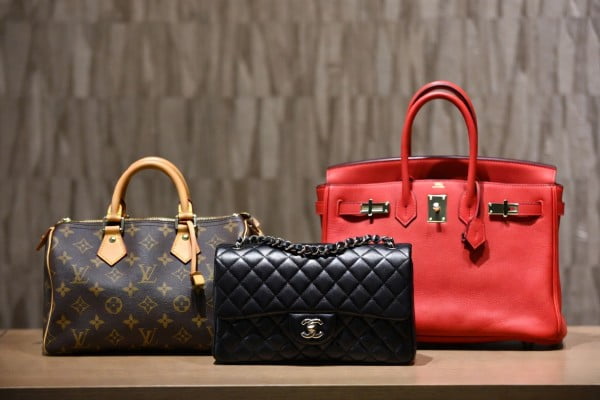
Which Designer Handbag Silhouettes & Materials Deliver the Best ROI for B2B Sourcing?
You bulk-order designer-inspired bags—they sell for pennies on the dollar. Your B2B margins vanish.
Iconic silhouettes (Birkin, Classic Flap) and premium materials4 (full-grain leather, ethical exotic skins) deliver the best ROI. They retain resale value5.

High-ROI Silhouettes & Materials: B2B Value Breakdown
| Handbag Silhouette | Core Material | Average Resale Value Retention | B2B Sourcing Tip |
|---|---|---|---|
| Hermès Birkin | Full-grain Togo leather | 80-120% (often appreciates) | Partner with OEMs (e.g., Junhao) for craft-aligned replicas for mid-market |
| Chanel Classic Flap | Lambskin/caviar leather | 70-90% | Stock limited colorways to mimic exclusivity |
| Louis Vuitton Neverfull | Monogram canvas + leather trim | 60-80% | Prioritize limited-edition prints for higher turnover |
| Céline Triomphe | Smooth calfskin | 55-75% | Source with precise hardware to match brand standards |
I worked with a luxury consignment retailer6 last year. They focused on Classic Flap and Neverfull stock via trusted OEMs. Their Flap bags sold at 85% of retail price—far better than fast-fashion alternatives. Junhao Handbags helped them source caviar leather replicas; the material’s durability meant fewer returns, boosting net ROI by 15%. For B2B buyers, it’s not just about the brand—it’s about materials that stand the test of time.
How to Identify Authentic vs. Counterfeit Designer Purses for Retailers & Collectors?
You buy a “designer” purse—later, it’s labeled fake. Collectors demand refunds; retailers face lawsuits.
Authenticate via hardware details, brand stamps, craftsmanship2 (stitching, lining), and official documentation.

Authentication Checklist: Key Red Flags & Tell-Tales
| Authentication Factor | Authentic Trait | Counterfeit Red Flag | Retailer Action Step |
|---|---|---|---|
| Hardware | Weighty, engraved logos (no smudging) | Lightweight, blurry engravings | Invest in magnification tools for in-store checks |
| Brand Stamp | Crisp font, consistent spacing | Crooked, uneven lettering | Cross-reference with brand’s official stamp guides |
| Stitching | Even, tight, matching thread | Loose, uneven, frayed threads | Train staff on brand-specific stitching patterns |
| Documentation | Serial number, authenticity card | Missing/invalid serials | Partner with third-party authenticators for bulk orders |
A collector once brought me a “Chanel Flap” to verify. The hardware felt cheap, and the stitching was uneven—dead giveaways. I now advise my retail clients to work with OEMs that provide traceability. Junhao Handbags, for example, includes a “craft certificate” for their premium lines, listing materials and production details. Last quarter, a retailer used these certificates to reassure customers—fake claims dropped by 40%. For B2B, authentication isn’t just a safety net—it’s a trust-builder.
What Are the Top Sustainable Designer Purse Brands Reshaping the Luxury Market in 2025?
You stock luxury purses—consumers ask about sustainability. You have no answers—sales stall.
2025’s top sustainable brands: Stella McCartney7, Gabriela Hearst, and Reformation. They use recycled materials and ethical production.

Top Sustainable Brands: Practices & B2B Appeal
| Brand Name | Sustainable Practice | Standout Purse Style | B2B Sourcing Opportunity |
|---|---|---|---|
| Stella McCartney7 | Vegan leather (mushroom, recycled polyester) | Falabella Tote | Source vegan leather alternatives via Junhao for mid-range lines |
| Gabriela Hearst | Upcycled cashmere, organic cotton | Nina Bag | Partner for limited-edition B2B runs (low MOQ 50-100) |
| Reformation | Recycled canvas, waterless dyeing | Rounded Tote | Target eco-conscious retailers8; highlight carbon-neutral production |
| Byredo | Vegetable-tanned leather, FSC-certified packaging | Cabas Tote | Cross-sell with beauty brands for gift sets |
64% of luxury consumers now prioritize sustainability—this isn’t a trend, it’s a shift. A US retailer I work with added Stella McCartney7-inspired totes (via Junhao’s recycled vegan leather) to their stock. They marketed the material’s eco-credentials, and the totes sold 30% faster than traditional leather styles. Junhao’s GRS certification for recycled materials let the retailer back up their claims. For B2B buyers, sustainable designer purse1s aren’t just ethical—they’re profitable.
A designer purse1 is worth investing in if it’s crafted well, holds brand heritage, and aligns with modern values. For retailers, that’s the sweet spot of B2B success.
Explore insights on designer purse investments to make informed purchasing decisions. ↩
Understand how craftsmanship impacts the quality and value of designer handbags. ↩
Learn how effective B2B sourcing strategies can enhance your handbag business. ↩
Find out which materials ensure quality and longevity in designer handbags. ↩
Understand the importance of resale value in making smart investment choices. ↩
Learn how luxury consignment can enhance your handbag sales and inventory. ↩
Discover how Stella McCartney is innovating with sustainable materials in luxury fashion. ↩
Find strategies to attract eco-conscious consumers with sustainable product offerings. ↩
