

This guide examines Chinese Handbag Factory OEM ODM as a choice between service scope, development ownership, factory capability, and commercial fit. OEM, ODM, and private-label labels are useful only when the agreement defines who supplies the design, develops patterns and samples, approves materials, owns intellectual property, and controls quality changes. Buyers should verify those details with current documents, approved samples, and written responsibilities before ordering. No company-specific MOQ, capacity, lead time, certificate, equipment, testing capability, customer case, or performance result is added or strengthened by this update.
Many global buyers struggle to find trusted Chinese handbag factories. Bad partnerships waste time and money. I’ll share key tips for 2026.
To pick a reliable 2026 Chinese handbag OEM/ODM factory1, check certifications2, test samples, verify MOQ3, and confirm delivery timelines.

I used to make mistakes in choosing factories. These errors taught me to focus on core factors. Let’s dive into key details buyers need to know.
What Customization Services (Logo, Material, Design) Do Top Chinese Handbag Factories Offer?
Buyers often need tailored handbag solutions. Generic services fail their brand needs. Here’s what top factories provide.
Top Chinese handbag factories offer logo printing4, material selection (leather/PU), design support, sample making, and post-production tweaks.

Breakdown of Core Customization Services
For related buyer guidance, review the most reliable leather bag factory direct suppliers in 2026 alongside the specifications, evidence, and decision criteria in this section.
I once worked with a Dongguan5 factory for my client’s logo bags. They helped adjust the material to cut costs without losing quality. This experience showed me the value of full-service customization. Below is a table of common services and their uses:
| Service Type | Specific Content | Suitable Scenarios |
|---|---|---|
| Logo Customization | Silk screen, hot stamping, embroidery | Branded handbags, retail products |
| Material Selection | Leather, PU, PVC, recycled fabrics | High-end brands, eco-friendly lines |
| Design Support | 3D modeling, prototype adjustment | New brand launches, seasonal collections |
| Sample Making | 7-20 day quick sampling | Market testing, pre-order verification |
Top factories also offer post-production support6. They handle small tweaks after sample approval. This flexibility matters for bulk orders. I’ve seen brands avoid big losses because factories fixed design flaws early. These services turn factories into true partners, not just producers.
Which Regions in China Are Leading Handbag Manufacturing Hubs for Global Sourcing?
Global sourcing needs clear regional guides. Picking the wrong hub hurts efficiency. I’ll map top areas.
Dongguan5, Guangzhou7 (Guangdong) and Zhejiang8 are China’s top handbag hubs—each excels in quality, variety, or cost-effectiveness.

Top Chinese Handbag Manufacturing Hubs: Pros and Cons
I visited three hubs last year. Dongguan5’s factories impressed me with their high-end leather craft. Each hub has unique strengths for different buyer needs:
| Region | Main Strengths | Suitable Buyers | Potential Limitations |
|---|---|---|---|
| Dongguan5 | High-end quality, international certifications2 | Luxury brands, big retailers | Higher minimum costs |
| Guangzhou7 | Rich material markets, fast sampling | Fashion brands, small orders | Mixed quality levels |
| Zhejiang8 | Cost-effectiveness, large production scale | Budget brands, bulk buyers | Fewer high-end craft options |
Dongguan5 stands out for OEM/ODM partnerships. Factories there work with brands like Calvin Klein and Disney. They know global market needs. Guangzhou7’s Baiyun Leather Market is a bonus for material sourcing. Buyers can pick materials on-site. Zhejiang8 is great for mass production. It helps buyers meet high demand at low costs.
How to Ensure Chinese Handbag Factories Meet International Compliance (Eco, Safety) Standards?
Compliance issues can sink your orders. Eco and safety flaws risk brand damage. Here’s how to verify.
Ensure compliance by checking GRS/ISO/SEDEX certifications2, reviewing test reports, and conducting on-site audits9.
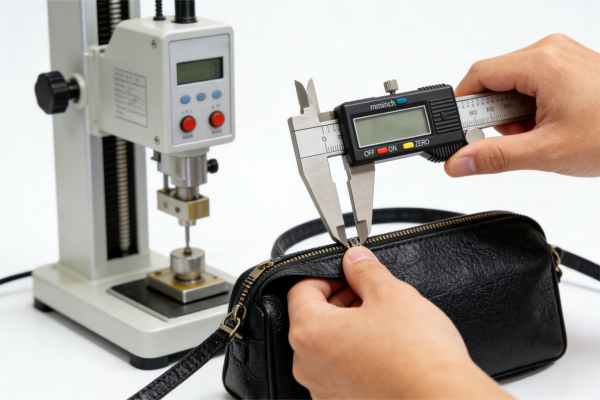
Step-by-Step Compliance Verification Process
My team once rejected a factory lacking GRS. It saved us from eco-label penalties. Compliance is non-negotiable for global sales. Follow this process to avoid risks:
| Step | Specific Actions | Key Documents to Request |
|---|---|---|
| 1. Check Certifications | Verify ISO9001, SEDEX, GRS online | Official certification copies |
| 2. Review Test Reports | Check material safety and eco-friendliness | SGS or BV test reports |
| 3. Conduct Audits | Visit factories or hire third-party teams | Audit checklists, on-site photos |
| 4. Confirm RCEP Benefits | Ask about preferential trade terms | RCEP eligibility documents |
Eco-compliance is growing in importance. More buyers want recycled materials. Factories with GRS certification10 can meet this need. Safety standards matter too. They ensure products pass customs in Europe and the US. On-site audits are crucial. They let you see production processes firsthand. I always recommend audits for long-term partnerships. They build trust between buyers and factories.
Follow these tips to find a reliable 2026 Chinese handbag factory. Focus on verification, hubs, and compliance for success.
For a related production-service reference, review custom handbag manufacturing; confirm the current scope, quotation, sample plan, quality requirements, and contractual terms for the specific project.
Explore this link to learn essential tips for choosing a reliable Chinese handbag factory that meets your needs. ↩
Understanding the necessary certifications can help ensure quality and compliance in your handbag sourcing. ↩
Learn about Minimum Order Quantity (MOQ) and how it affects your production decisions and costs. ↩
Discover various logo printing techniques that can enhance your brand's visibility and appeal. ↩
Find out why Dongguan is renowned for its high-quality handbag production and what it offers to buyers. ↩
Learn how post-production support can help you make necessary adjustments and avoid costly mistakes. ↩
Explore the benefits of sourcing from Guangzhou, including material variety and fast sampling. ↩
Learn about the cost advantages of sourcing handbags from Zhejiang and how it can benefit your business. ↩
Discover the importance of on-site audits in building trust and ensuring compliance with your handbag suppliers. ↩
Understanding GRS certification can help you ensure eco-friendly practices in your handbag sourcing. ↩
