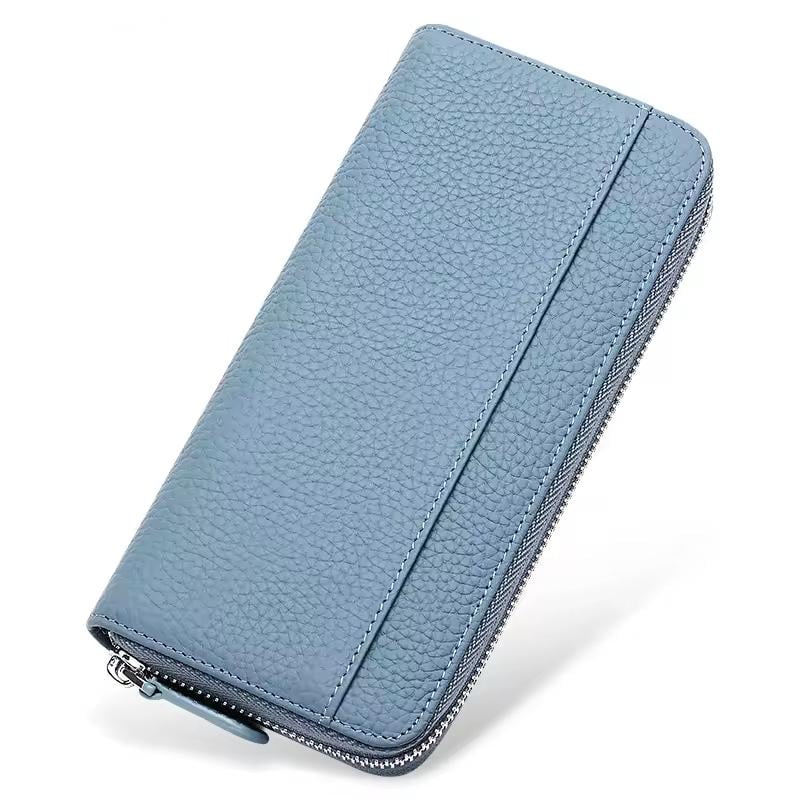
Custom Genuine Leather Zip Around Organizer Card Holder
Why Choose This Premium Accessory This page is now centered on the B2B sourcing entity...
Explore custom leather wallets for private-label brands, retailers, wholesalers and fashion accessory programs. From compact card holders and coin purses to zip-around, travel and organizer wallets, projects can be developed around your required leather, dimensions, internal layout, closure, edge finishing, logo and packaging.
Send your tech pack, reference sample or layout requirements for product evaluation and quotation.
Why Choose This Premium Accessory This page is now centered on the B2B sourcing entity...
Compact Organization Solutions Essential Fashion Items Carry less with our leather coin purse combo products....
Bespoke Wallet Manufacturing Customization Process This page is now centered on the B2B sourcing entity...
Professional Organization Tools Sleek Design Philosophy Our slim leather card holder reduces bulk significantly. Fits...
Introduction to Modern Wallets Welcome to our latest collection of premium accessories designed for the...
Elegant Vintage Style Embrace the timeless charm of classic aesthetics with our vintage collection. These...
Compact and Stylish Design Carry your essentials without the bulk of a large handbag. Our...
Ultra-Slim Profile This page is now centered on the B2B sourcing entity genuine mini women's...
Rugged and Durable Build This page is now centered on the B2B sourcing entity mini...
Wallet development is highly detail-driven. The final product depends on how the leather behaves across folds, card slots, zipper areas, edge finishing and layered interior sections. For OEM and private-label projects, the exterior shape and the internal organization should be developed together so that capacity, thickness, usability and appearance remain balanced.
Card holders, coin purses, bifold concepts, zip-around wallets, clutch-style wallets and travel organizers.
Card slots, bill sections, ID windows, coin pockets, zipper compartments, phone or passport sections and dividers.
Material selection, leather thickness, texture, edge painting, folded edges, stitching and suitable reinforcement.
Embossing, debossing, foil stamping, metal logos, lining labels, zipper pullers, hangtags and branded packaging.
Different wallet formats require different internal structures and construction priorities. The category can support compact everyday pieces as well as larger organizer-style designs depending on the intended market and use.
Slim formats focused on card access, pocket size and controlled overall thickness.
Compact zipper or snap constructions for coins, cards and small daily essentials.
Folded constructions balancing card capacity, bill storage and a clean closed profile.
Full-zip formats with larger capacity, organized interiors and secure closure systems.
Organizer concepts for cards, passport, phone, documents and multiple internal sections.
A wallet may look simple from the outside, but the interior often contains multiple layers that affect thickness, opening behavior and everyday usability. During development, the number and position of card slots, bill sections, coin pockets, zipper compartments and ID or travel sections should be considered together with the selected leather.
Buyers can provide a complete technical layout or start from a reference sample and specify the functions that need to be retained, removed or reorganized. This helps define a structure that fits the intended size and product positioning.
Wallets use relatively small components, but many of those parts are layered together. Leather thickness, skiving, folding, reinforcement and edge treatment can influence whether a finished wallet feels refined or bulky. These details are especially important around card slots, folded corners, zipper openings and high-contact edges.
Sampling provides an opportunity to review proportions, slot access, zipper movement, fold behavior, edge quality, stitching and overall hand feel before bulk production.
Balance structure, flexibility and total layered thickness.
Reduce bulk around folded edges, corners and layered sections.
Define whether exposed edges use edge paint or folded construction.
Control stitch position, spacing and alignment across small components.
Review zipper movement, corners, tape placement and opening width.
Support shape and durability without making the wallet unnecessarily rigid.
A clear development process helps confirm both the visible design and the less obvious interior construction before the project moves into bulk production.
Provide a tech pack, sketch, photo or physical reference sample.
Confirm dimensions, card slots, pockets, closure, leather and branding.
Build the wallet to review construction, capacity and finishing.
Adjust fit, thickness, slot access, zipper details and logo placement.
Proceed after the approved construction and sample details are confirmed.
Yes. A project can start from a tech pack, technical drawing, reference image or physical sample. The external dimensions and internal organization can then be reviewed together before sampling.
Yes. Card slot quantity, bill sections, ID windows, coin compartments, zipper pockets, dividers and other interior functions can be specified according to the intended wallet size and use.
Wallet interiors often contain several overlapping leather layers. Thickness and skiving therefore affect the final profile, fold behavior, card access and overall hand feel of the finished wallet.
Depending on the material and design, branding may include embossing, debossing, foil stamping, metal logos, internal labels, custom zipper pullers, hangtags and branded packaging.
A tech pack, reference photo or sample together with dimensions, preferred leather, internal layout, logo method, estimated quantity and packaging requirements will help the factory evaluate the project more accurately.
Send your wallet concept, interior layout, material requirements and estimated quantity to discuss sampling and production.