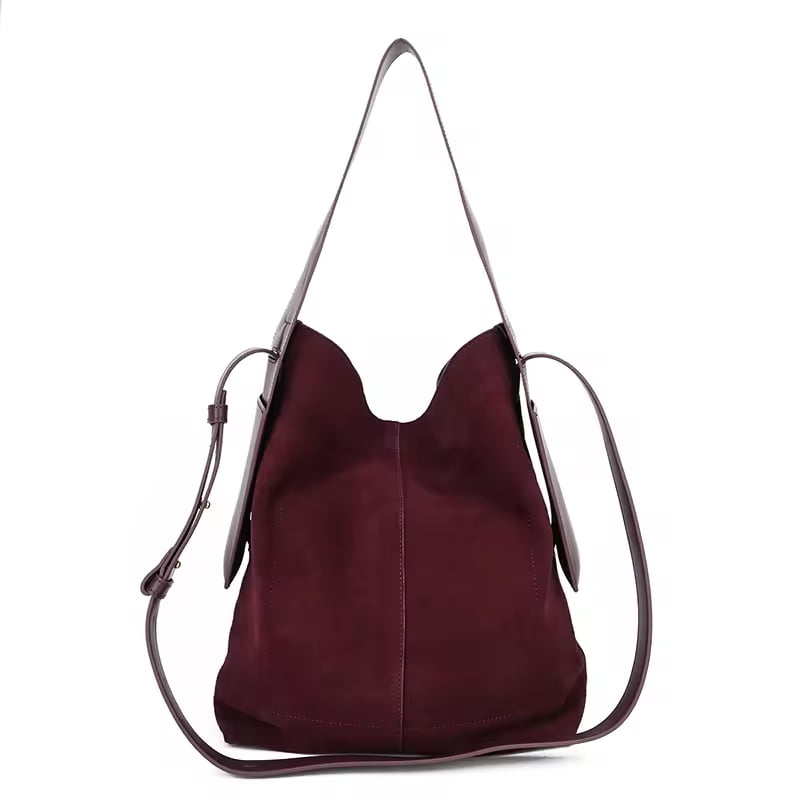
Custom Simple Suede Large-capacity Women’s Tote Bag
Introduction to the New Collection This page is now centered on the B2B sourcing entity...
Explore custom leather bags developed for fashion brands, wholesalers, retailers and private-label programs. From material selection and construction development to logo, hardware, lining and packaging, we support flexible OEM and ODM production for leather handbag collections.
Send a reference image, sample or tech pack for development and quotation.
Introduction to the New Collection This page is now centered on the B2B sourcing entity...
Overview of Premium Materials Discover the unique feel of a sanded leather handbag today. This...
Modern Design Philosophy Embrace simplicity with a 2025 minimalist tote bag purchase. Our design philosophy...
Premium Material Selection Experience the touch of a 2025 suede leather tote bag firsthand. The...
Professional Utility Focus This page is now centered on the B2B sourcing entity genuine leather...
Introduction to Premium Bag Quality This page is now centered on the B2B sourcing entity...
Overview of Exclusive Leather Goods This page is now centered on the B2B sourcing entity...
Smart Storage Solutions Overview This page is now centered on the B2B sourcing entity genuine...
Texture and Finish Analysis The surface treatment gives a sophisticated matte appearance. It avoids glare...
Leather bag programs often require more than choosing a ready-made style. Material thickness, reinforcement, edge finishing, lining, hardware weight, strap construction and internal organization all influence the final appearance, performance and cost. We support product development around your design direction, target market and intended positioning, whether you are creating a new collection or refining an existing style.
Genuine leather, cowhide, textured finishes, soft-touch options, PU leather and suitable alternatives based on the design.
Totes, shoulder bags, crossbody bags, handbags, hobo bags, bucket bags, clutches and structured silhouettes.
Embossing, metal logos, foil stamping, woven labels, custom zipper pullers, hangtags and branded packaging.
Development from tech packs, sketches, physical samples or reference images, followed by sampling and revision.
Each style can be adjusted around the product concept rather than forcing your collection into a fixed catalogue specification. Buyers can define the silhouette, dimensions, material combination, color, closure system, strap, lining, internal pockets and branding details.
For quotation and sampling, a tech pack is ideal, but a reference photo, sketch or physical sample can also be used as the starting point. Clear information about dimensions, materials, estimated quantity and branding requirements helps the factory evaluate the right construction and production approach.
Sampling is especially important for leather bags because small changes in thickness, reinforcement, edge construction, hardware and stitching can affect the shape and hand feel of the finished product.
Share a tech pack, sketch, image or sample.
Align materials, size, hardware, logo and structure.
Build and review the first physical sample.
Adjust key details before production confirmation.
Move into manufacturing after the approved sample.
Yes. Custom projects can be developed from tech packs, sketches, reference images, physical samples or existing concepts. Dimensions, materials, construction, hardware, branding and packaging can be adjusted according to the project.
Yes. Material type, surface texture, color, hardware finish, zipper, buckle, lining fabric, internal pockets, handles, shoulder straps and other construction details can be customized during product development.
Depending on the material and design, common branding options include embossed or debossed logos, metal logo plates, foil stamping, printed branding, woven labels, custom zipper pullers, hangtags and branded packaging.
Yes. A reference image can be used as a starting point. Dimensions, preferred material, functional requirements, target positioning and branding details help determine the appropriate construction and sampling approach.
A product photo, sketch or tech pack together with dimensions, preferred material, logo method, estimated order quantity and packaging requirements will help make the quotation more accurate.
Share your product reference, material requirements and estimated quantity to discuss sampling and production options.